The Importance of the Post-Massage Window
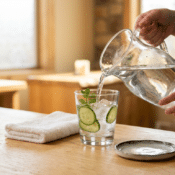
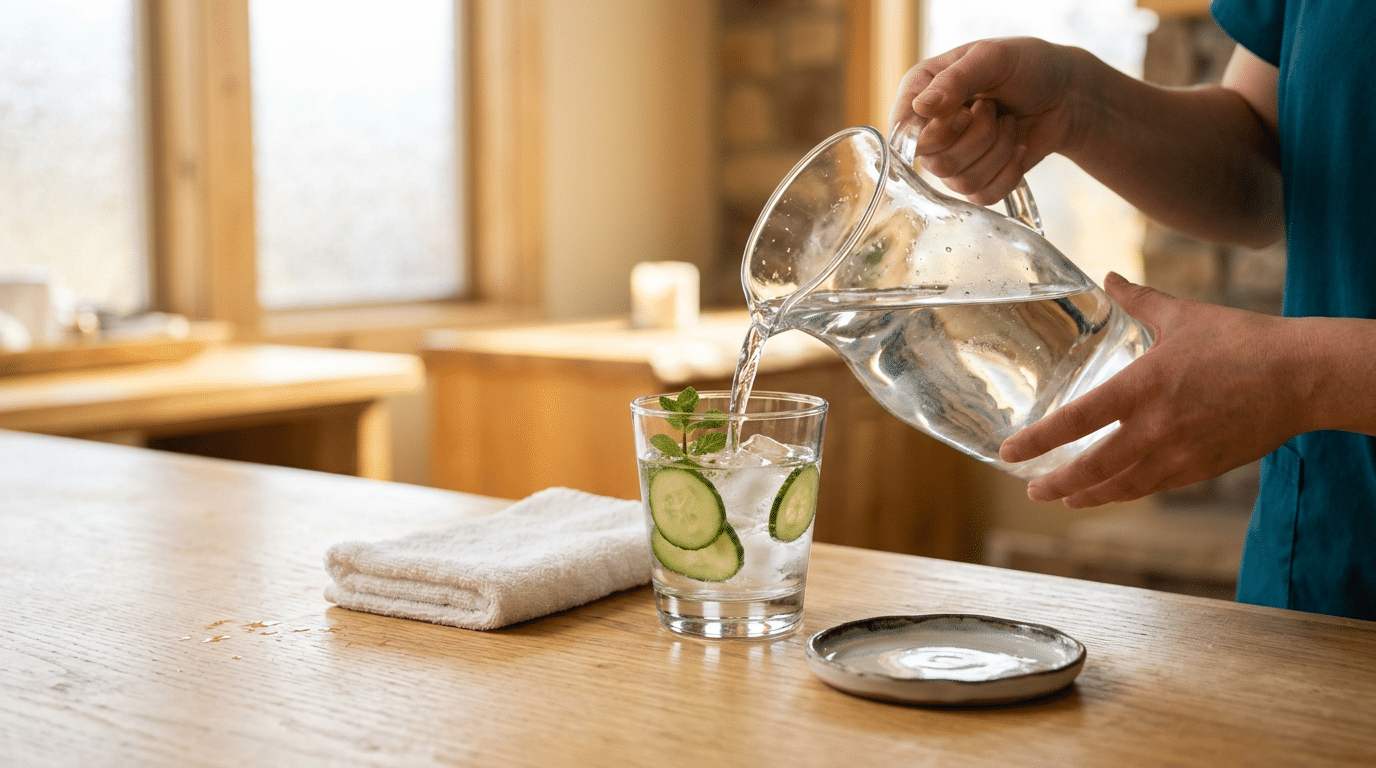
Drinking plenty of water after a deep tissue session aids the body in processing metabolic byproducts.
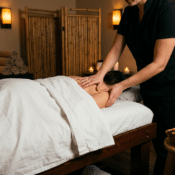
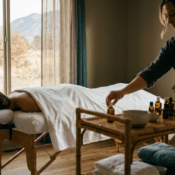
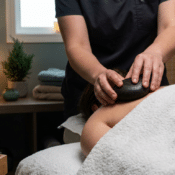
Stepping out of a deep tissue massage session often leaves couples feeling a unique mix of relaxation and physical sensitivity. Because deep tissue work involves intense pressure to manipulate the sub-layer of musculature and fascia, the body requires a specific recovery protocol to process the physiological changes triggered during the treatment. Understanding how to manage this recovery window ensures that the therapeutic benefits, such as increased mobility and chronic pain relief, last well beyond the session.
Proper recovery is not just about physical comfort; it is about supporting the lymphatic system as it processes metabolic waste and allowing muscle fibers to settle into their new, elongated states. When couples follow these steps together, they can maintain the shared sense of wellness established during their couples deep tissue massage.
Hydration: The Foundation of Recovery
Hydration is the most critical element of post-massage care. During a deep tissue session, the therapist’s movements stimulate blood flow and encourage the movement of lymph. This process can mobilize metabolic byproducts that have been trapped in tight muscle tissues. Water acts as the primary vehicle for the kidneys to filter and flush these substances from the body.
What to Drink
- Filtered Water: The gold standard for rehydration. Aim to drink 16–24 ounces immediately following your session.
- Electrolyte Solutions: If you feel particularly fatigued, a low-sugar electrolyte drink can help balance sodium and potassium levels.
- Herbal Tea: Non-caffeinated teas like chamomile or ginger can aid relaxation and digestion.
Avoid caffeine and alcohol for at least 12 to 24 hours. Both substances are dehydrators and can lead to headaches or increased muscle soreness, potentially negating the relaxation achieved during the treatment.
Managing Muscle Soreness and Inflammation
It is common to experience “delayed onset muscle soreness” (DOMS) after a deep tissue session, similar to the feeling after a strenuous workout. This occurs because the therapist has physically broken down adhesions (knots) and increased circulation to areas that may have been stagnant for months. While this discomfort is a sign of healing, it should be managed carefully.
Heat vs. Cold Therapy
For most clients, a warm Epsom salt bath is the ideal post-massage ritual. The magnesium in the salts is absorbed through the skin, helping to further relax the nervous system and ease muscle tension. However, if you notice localized swelling or a sharp, hot sensation in a specific area, a cold compress applied for 10–15 minutes can help mitigate acute inflammation.
Rest and Movement
While it may be tempting to head straight to the gym, your body needs rest. Strenuous exercise can cause re-injury to the tissues that were just manipulated. Instead, focus on light, functional movement. A gentle walk with your partner allows the blood to circulate without putting undue stress on the muscles. If you followed the professional checklist for preparing for your massage, you likely scheduled your session on a day when you could avoid heavy lifting or high-impact sports afterward.
Stretching and Mobility Maintenance
After the therapist has released chronic tension, your muscles have a temporary increase in their range of motion. This is the optimal time to reinforce healthy movement patterns. Rather than static stretching, which involves holding a position until it hurts, focus on dynamic, gentle mobility work.
Recommended Post-Massage Movements
- Neck Rolls: Gently tilt the head from side to side to maintain the space created in the upper trapezius.
- Pelvic Tilts: If your session focused on the lower back or glutes, light pelvic movements can prevent the muscles from tightening back up.
- Chest Openers: Clasping hands behind the back helps maintain the posture corrections made during the session.
The Psychological Aspect of Recovery
A couples massage is a shared experience that often lowers cortisol levels for both individuals simultaneously. To maximize the mental health benefits, try to remain in a quiet, low-stimulation environment for the remainder of the day. Avoid high-stress conversations or digital screens immediately after the session. By staying in this “parasympathetic state,” the body can direct more energy toward tissue repair and immune function.
When to Contact Your Therapist
While soreness is normal, it should be dull and generalized. If you experience any of the following symptoms, contact your massage professional or a healthcare provider:
- Sharp, stabbing pain that limits movement.
- Numbness or tingling that persists for more than 24 hours.
- Bruising that is extensive or painful to the touch.
- Dizziness or nausea that does not resolve with hydration.
Conclusion
The work done on the massage table is only half of the equation. The other half is how you treat your body in the 48 hours that follow. By prioritizing hydration, rest, and gentle movement, couples can ensure their investment in a deep tissue session pays dividends in the form of long-term pain relief and improved physical performance. By following the guidance in our Comprehensive Guide to Couples Deep Tissue Massage, you can turn a single spa visit into a cornerstone of your shared wellness routine.

- Deep Tissue Massage vs. Swedish Massage: Which Is Right for You? - November 25, 2026
- Post-Massage Recovery: Maximizing the Benefits of a Couples Deep Tissue Session - November 25, 2026
- Essential Benefits of Regular Massage for Stress Management - November 24, 2026